Fanon: Image, Praxis & Theory
Wed, 11 Nov 2026 18:00-22:00at anorak
Fanon: Image, Praxis & Theory
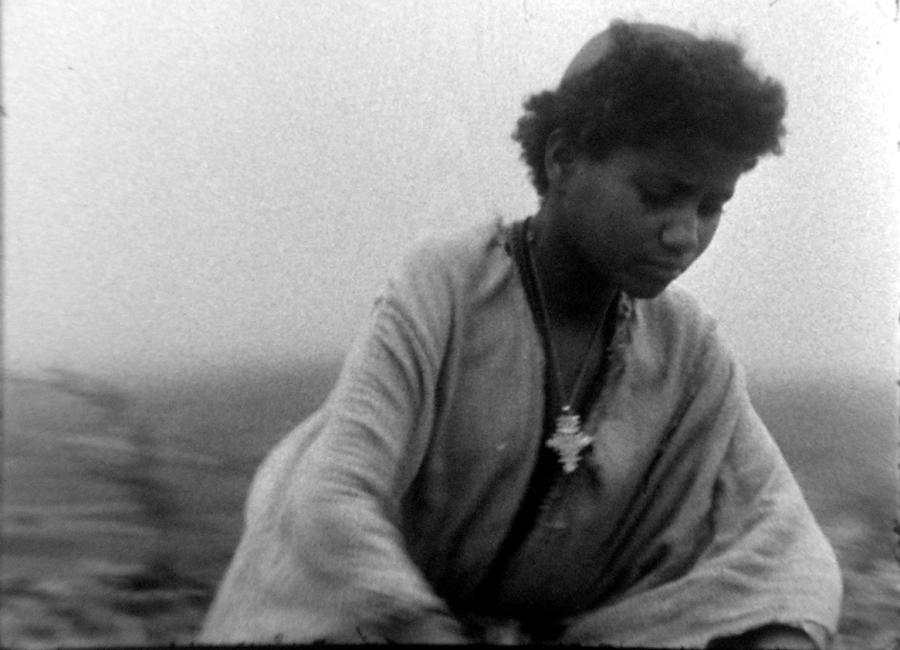
Anorak presents two nights of screenings & conversations programmed by Philip Rizk, featuring films by Haile Gerima, Tewfik Saleh and conversations between Hanna Al-Taher and Elena Vogman.
The two-part screening program Fanon: Image, Praxis & Theory seeks to re-engage with Frantz Fanon’s final book The Wretched of the Earth (1961) through and with films, in search for radical ways of being that respond to the times of horror we are living through.
The events in Berlin follow the launch of Majliss Fanon, a screening programme curated by the filmmakers Baya Medhaffer and Philip Rizk, which takes place at the Arab Image Foundation in Beirut from 28 October to 2 November 2026. Beirut as the site of the programme’s first full iteration is critical because it was there that the book’s Arabic translation معذبو الأرض (Muadhibu al-ard) was published in 1963. Today, Lebanon is also a place under attack by ruthless Zionist expansion, and the neocolonialism whose rise Fanon predicted is only now trying to reach its completion. In the preface to the Arabic edition the translators write, “Yet Fanon also knows that colonialism may exit through the door only to return through the window—disguised, its features altered, its image reshaped […] Fanon unmasks neocolonialism.” Thus they take the book from the anticolonial moment in which Fanon wrote it and carry it into the neocolonial present.
Fanon: Image, Praxis & Theory will take place in Berlin, a city that is many things. It is the capital of a country fully invested in capitalism and neocolonialism steeped in white supremacy—including in the Arabic-speaking region—where Germany’s financial and ideological backing has been vital to Zionism’s colonial project. It is also home to Europe’s largest Palestinian diaspora, as well as a wellspring of cultural producers from around the globe.
Fanon wrote and compiled The Wretched of the Earth in haste while battling the cancer in his blood. He had no time for careful revision and much of this was left up to his editor in France. To read the book today, Fanon: Image, Praxis & Theory proposes a reordering of the chapters with the aim of prioritising today’s urgencies.
To prepare for the events, we encourage you to read The Wretched of the Earth.
Films with English subtitles; conversations in English. The anorak bakery will provide food, and drinks will be available at the bar.
Wednesday, 11 November 2026, 6–10pm (doors 6pm, screening starts 6.30pm)
Tewfik Saleh, المخدوون (The Dupes), 107 mins, Syria, 1972
Followed by a conversation between Philip Rizk and Hanna al-Taher
In collaboration with Chromatic Wednesdays
Set in the 1950s and adapted from assassinated artist, writer, and Popular Front for the Liberation of Palestine (PFLP) leader Ghassan Kanafani’s 1962 novella رجال في الشمس (Men in the Sun), Tewfik Saleh’s 1972 masterpiece follows three Palestinian refugees—each man representing a different generation—as they seek safe passage from Iraq to Kuwait, where they hope to secure work and money to send to their families back home.*
The conversation will engage with chapter 1 of The Wretched of the Earth’s, “On Violence” alongside chapter 4 “On National Culture”.
*The film was restored in 2023 by The Film Foundation’s World Cinema Project and Cineteca di Bologna in collaboration with the National Film Organization and the family of Tewfik Saleh. Special thanks to Mohamed Challouf and Nadi Nekol Nas. Funding provided by the Hobson/Lucas Family Foundation.
__
Philip Rizk is a filmmaker and writer from Cairo, currently living in Berlin. In his films he experiments with methods of “making the habitual strange”.Out on the Street (2015), co-directed with Jasmina Metwaly, works through performance, while his found footage filmsMapping Lessons (2020) andTerror Tales (2024) work through montage. His latest film, O River, We Forced You to Chew Up Their Crops (2026), engages the cosmology of the Nubian people, displaced for Egypt’s project of nation-making. Together with the filmmaker Baya Medhaffer, he is presenting the upcoming film programme Majliss Fanon around Frantz Fanon’s The Wretched of the Earth. He is the editor of the upcoming book The Wretched of the Earth Want the Fall of the System, which puts Fanon’s final book in conversation with the revolutions of the Arabic-speaking region over the past 15 years. You can follow his work at filfilfilm.com.
Hanna al-Taher is a political scientist, writer and researcher. Their current work focuses on state theory, borders and passports through a queer-materialist lens and is dedicated to researching up to power. Hanna is a research associate and lecturer in political theory at the chair for Political Theory and the History of Political Thought at TU Dresden, where she teaches political theory from an anticolonial perspective. Hanna also writes for theatre and works across artistic and research spaces. She distrusts hierarchies and holds anticolonial knowledge creation close to heart.
Elena Vogman is a scholar of comparative literature and media. She is co-principal investigator of the research project ‘Madness, Media, Milieus: Reconfiguring the Humanities in Postwar Europe’ at Bauhaus-Universität Weimar and visiting fellow at the ICI Berlin. She is the author of two books, Sinnliches Denken. Eisensteins exzentrische Methode (Diaphanes, 2018) and Dance of Values: Sergei Eisenstein’s Capital Project (Diaphanes, 2019). Vogman was a co-organizer of the symposium Frantz Fanon’s Social Therapy: ‘To Give Body to an Institution’ at ICI Berlin, 29–30 January 2026.
Haile Gerima is a trailblazing director, writer, editor, and actor who played a major role in the Black independent cinema movement. Raised in Ethiopia, Gerima offers an approach to diasporic African cinema that transcends genre. Gerima is a professor emeritus and founding faculty member of the Howard University Graduate Film Program in Washington, DC.
Tewfik Saleh (1926–2013) was an Egyptian director whose films address social injustice, underdevelopment, and class struggle. Trained in cinema in Paris, he made seven features, including Fools’ Alley (1955), co-written by Naguib Mahfouz, and Diary of a Country Prosecutor (1968). He taught film in Iraq and Cairo.
Chromatic Wednesdays is a monthly interdisciplinary event series based in Berlin, organized by visual artist and filmmaker Emre Birişmen and sound artist Melih Sarıgöl. The series brings together various artistic practices, including performance, sound, moving image, and panel discussions, in thematically structured programs at different venues across the city.